Complete Sprinkler System Installation
Design and installation of irrigation systems for lawns, landscapes, and planting areas based on the property’s watering needs and available water supply.
Home › Landscaping › Sprinkler Installation
Property-Specific Irrigation Design
A sprinkler system designed around your property—not a one-size-fits-all layout.
Whether you’re installing irrigation in a new landscape, replacing an aging sprinkler system, adding coverage to an existing yard, or creating a new irrigation zone, Outdoor Legacy designs sprinkler systems around the actual needs of your property.
We consider sun exposure, slope, soil, drainage, plant material, water pressure, available flow, and how your property is used to create irrigation zones that deliver water where it’s needed without unnecessary waste or runoff.
With 35+ years of irrigation and landscaping experience, Outdoor Legacy provides professional sprinkler installation throughout Centennial, Greenwood Village, Parker, Denver Tech Center, Cherry Hills, Castle Pines, and surrounding South Denver communities.
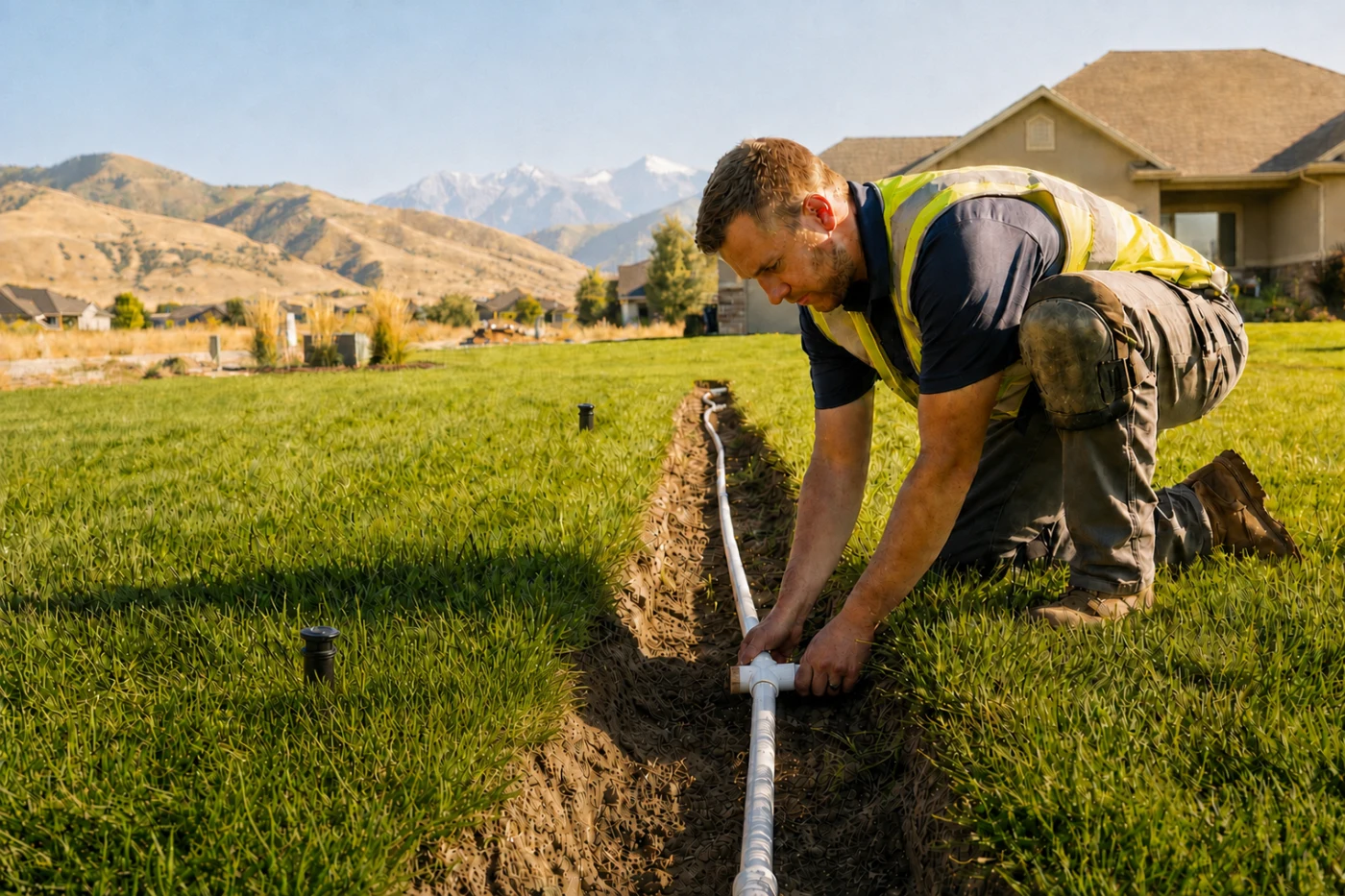
What We Install
Not every irrigation project starts from scratch. Outdoor Legacy can design new sprinkler systems as well as expand or improve existing irrigation systems when the existing infrastructure allows.
Design and installation of irrigation systems for lawns, landscapes, and planting areas based on the property’s watering needs and available water supply.
Add irrigation coverage for a new lawn, landscape bed, expanded yard, planting area, or section of the property that wasn’t previously irrigated.
Install properly spaced pop-up spray heads and nozzles for turf areas with attention to spray pattern, pressure, precipitation rate, and head-to-head coverage.
Use drip irrigation or microirrigation in planting beds and other areas where targeted watering can reduce overspray, runoff, evaporation, and wind drift.
Extend an existing sprinkler system when the property’s water supply, pressure, piping, valves, and controller have enough capacity to support the additional irrigation.
When an aging system requires constant repairs or was poorly designed from the beginning, replacing or redesigning portions of the system may make more financial sense than continuing to patch it.
Experience Informs the Layout
A sprinkler system is only as good as its design.
You can install great components and still end up with dry spots, overspray, runoff, poor pressure, or uneven watering if the system wasn’t properly laid out from the beginning.
With more than 35 years of irrigation and landscaping experience, Outdoor Legacy understands that sprinkler installation isn’t simply about putting heads in the ground.
We look at how the entire property works together—from water pressure and zone capacity to sun exposure, slopes, soil conditions, planting areas, and drainage.
The goal isn’t to install more sprinklers. It’s to install the right system for the property.Property-Specific Zoning
Different parts of your landscape don’t necessarily need the same amount of water.
A sunny section of lawn can have very different watering needs than a shaded side yard or planting bed. Soil, slope, drainage, wind exposure, and plant material can also affect how quickly an area needs water and how much it can absorb at one time.
That’s why we design irrigation systems using separate zones where appropriate.
Proper zoning can help:
Instead of forcing the entire property onto the same watering schedule, the system can be divided based on how different areas actually use water.
Colorado Conditions
Colorado landscapes can present irrigation challenges, especially where compacted soil, clay, or slopes prevent water from soaking into the ground as quickly as sprinklers apply it.
In these situations, simply running the sprinklers longer isn’t necessarily the answer.
A cycle-and-soak watering schedule divides watering into shorter cycles with time between them, allowing water to soak into the soil before additional water is applied.
When appropriate, this can help reduce:
The sprinkler system itself should be designed with these property conditions in mind so the controller can be programmed appropriately.
Turf Coverage
Installing sprinkler heads isn’t simply a matter of spacing them evenly throughout the lawn.
Spray heads need to be positioned and selected so water is distributed evenly across the intended landscape without unnecessarily watering sidewalks, driveways, structures, or other non-landscape areas.
Outdoor Legacy designs turf irrigation around head-to-head coverage, meaning the spray from one sprinkler should reach the neighboring sprinkler where appropriate.
Proper sprinkler placement helps reduce the common problem of having one section of lawn soaking wet while another remains dry.
Good irrigation design is about even coverage—not simply installing more sprinkler heads.
Targeted Watering
Traditional spray heads aren’t always the best way to water every part of a property.
For planting beds, narrow landscape areas, shrubs, and other appropriate applications, drip or microirrigation can deliver water more directly to the plant root zone while reducing wind drift, overspray, and evaporation.
Outdoor Legacy can incorporate drip irrigation into a new or expanded sprinkler system where it makes sense for the landscape.
Importantly, drip irrigation and pop-up spray heads should generally operate on separate irrigation zones because they apply water differently and have different pressure and flow requirements.
The system design should account for:
Existing System Expansion
Often, yes—but it depends on the existing system.
Before adding another zone, Outdoor Legacy evaluates whether the existing system has enough water supply, pressure, piping capacity, valve capacity, and controller capacity to support the expansion.
If the existing system can accommodate another zone, we can determine the best way to incorporate it. If it can’t, we’ll explain why and discuss other options rather than forcing an expansion that won’t perform properly.
Adding a sprinkler zone may make sense if you’ve:
Use What Makes Sense
Not every older sprinkler system needs to be replaced.
If most of the system is functioning properly, repairing damaged components or reworking an individual zone may be the more sensible option.
Outdoor Legacy’s approach is to use what’s already in the ground where it makes sense. But when continued patching is likely to cost more over the next several seasons than replacing the problem area, we’ll tell you that honestly.
Replacement or significant redesign may make more sense when you’re dealing with:
What to Expect
We start by looking at the areas that need irrigation and understanding how you use the property.
Available water supply, pressure, flow, existing piping, valves, controllers, and other system components are evaluated as applicable.
We determine appropriate zones, sprinkler-head placement, drip areas, coverage requirements, and routing based on the landscape.
Sprinkler lines, valves, heads, drip components, and other required equipment are installed according to the agreed system design.
The irrigation controller is configured so individual zones can operate according to the needs of the landscape.
Each zone is operated and checked for coverage, pressure, leaks, spray alignment, and proper operation.
We’ll review the completed system and discuss its basic operation, watering considerations, and seasonal maintenance.
Planning for the Work
Installing an underground irrigation system does require access to areas where sprinkler lines, heads, valves, and other components will be installed.
The amount of disturbance depends on the property, including:
Before work begins, the installation route and expected restoration scope should be discussed so you understand what areas may be affected.
Water-Conscious Design
A well-designed irrigation system shouldn’t just keep a lawn green. It should apply water as evenly and efficiently as practical for the property.
Outdoor Legacy considers factors that can contribute to wasted water, including:
Proper zoning, sprinkler placement, nozzle selection, pressure, drip irrigation, and controller programming can all contribute to a more efficient system.
In Colorado, water efficiency isn’t an afterthought—it should be part of the irrigation design from the beginning.
Property-Specific Requirements
New sprinkler installations may be subject to backflow prevention, permitting, inspection, or other requirements depending on the property’s municipality and water provider.
Because these requirements can vary by location and system, the applicable requirements should be confirmed for the property before the installation scope is finalized.
Project-Specific Pricing
The cost of a new sprinkler system depends on the property and the scope of the installation.
Factors that can affect pricing include:
Because every property is different, the best way to determine sprinkler installation pricing is to evaluate the property and build the system around its actual irrigation needs.
Request an Installation EstimateService Areas
Outdoor Legacy provides professional sprinkler installation and irrigation-system upgrades throughout Centennial, Greenwood Village, Parker, Denver Tech Center, Cherry Hills, Castle Pines, and surrounding communities.
Helpful Answers
Installation pricing depends on the size of the property, number of zones, water supply, pressure, system layout, equipment requirements, access, soil conditions, and other property-specific factors. An on-site evaluation is the best way to develop an accurate installation scope.
Yes, when the existing water supply, pressure, piping, controller, and other system components have sufficient capacity.
Often, yes. The existing system should be evaluated first to determine whether it can support the additional flow and equipment.
For turf irrigation, Outdoor Legacy uses compact pop-up spray bodies with nozzles selected according to the required spray pattern, radius, precipitation rate, and operating pressure.
Drip or microirrigation can be incorporated into appropriate planting beds and landscape areas and should generally operate separately from pop-up spray zones.
Yes. Depending on the condition and design of the existing system, portions may be reused, redesigned, or replaced.
Head placement is based on the shape of the irrigated area, spray radius, pressure, nozzle characteristics, obstacles, slope, and the need for even coverage.
Some disturbance is unavoidable where underground irrigation components need to be installed. The amount depends on the system design, soil, access, and installation method.
Yes. Installation doesn’t necessarily require a completely new landscape, although existing turf and planting areas may be temporarily disturbed during line and component installation.
Requirements vary depending on the municipality, water provider, property, and system. Applicable local requirements should be verified before installation.
Yes. Designing irrigation at the same time as a landscape project can help coordinate turf, planting beds, irrigation zones, and water requirements.
Proper head placement, appropriate zoning, nozzle selection, pressure, drip irrigation, cycle-and-soak programming, and watering schedules can help reduce overspray, runoff, and uneven watering.
Plan the Full Irrigation Lifecycle
More Ways We Help
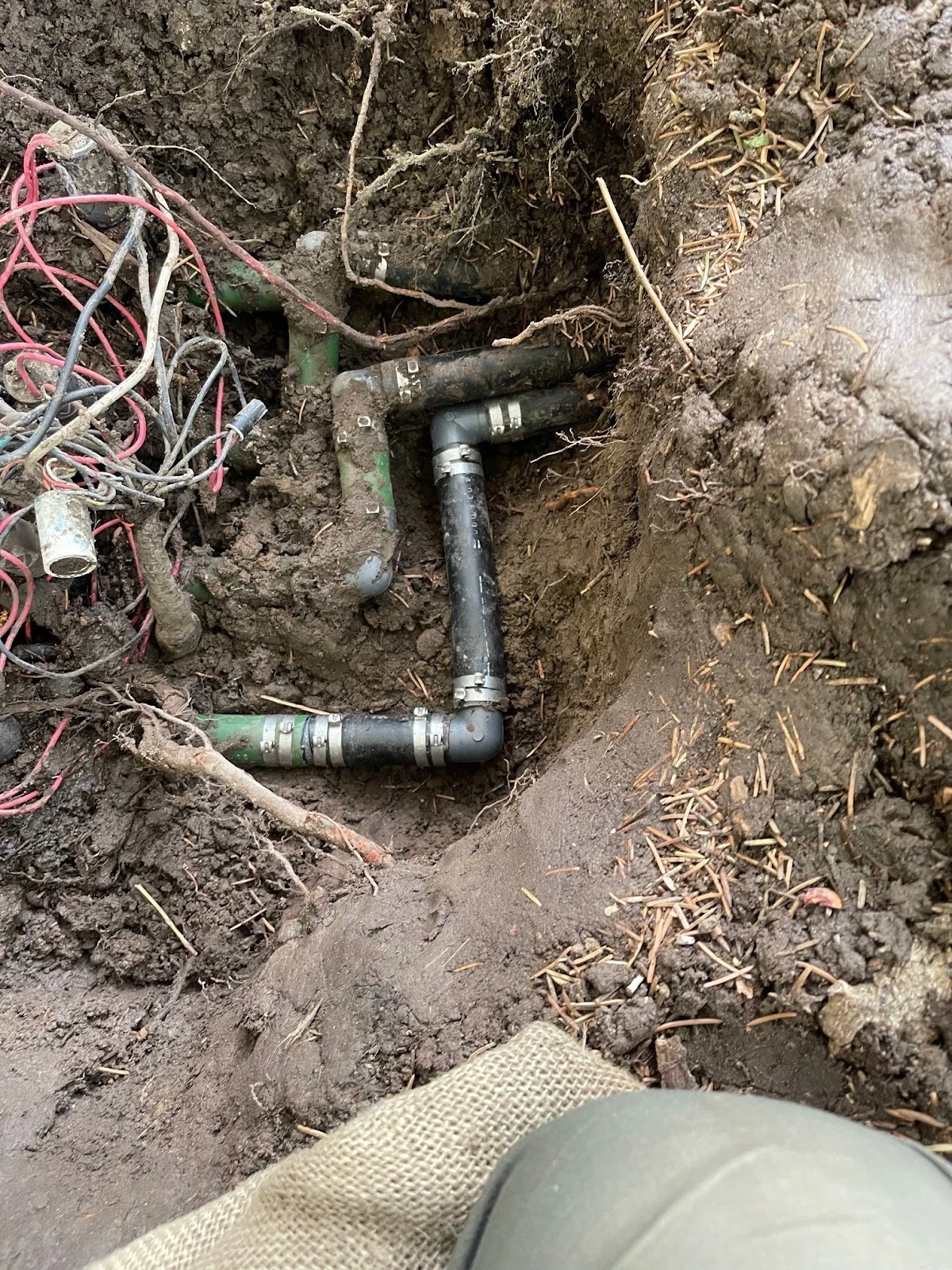
Diagnosis and repair for damaged pop-up spray heads, leaking lines, controllers, valves, wiring, and zone problems.
View sprinkler repair details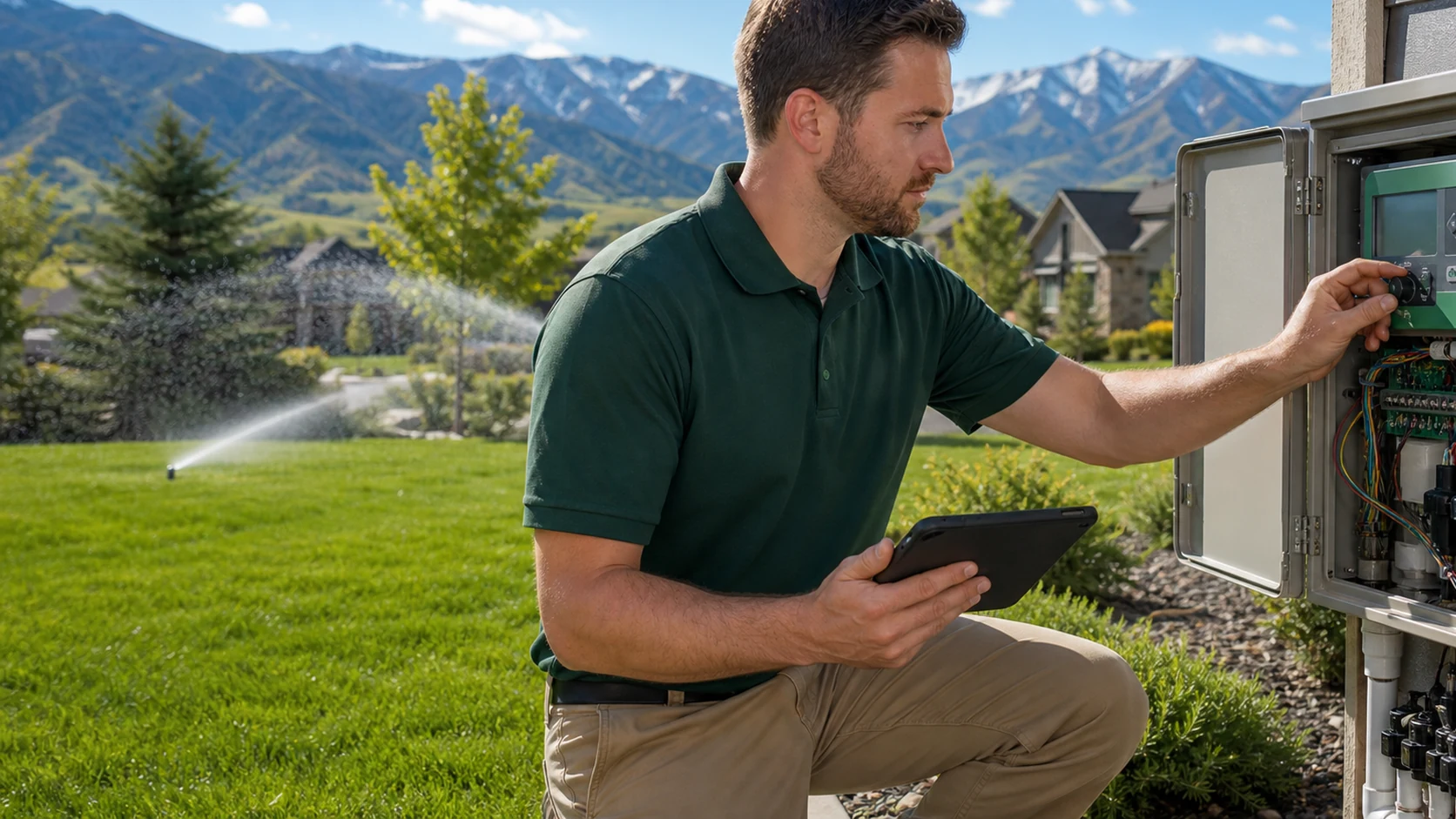
A careful spring activation, controller setup, and full-zone check before summer exposes hidden winter damage.
View spring startup & activation details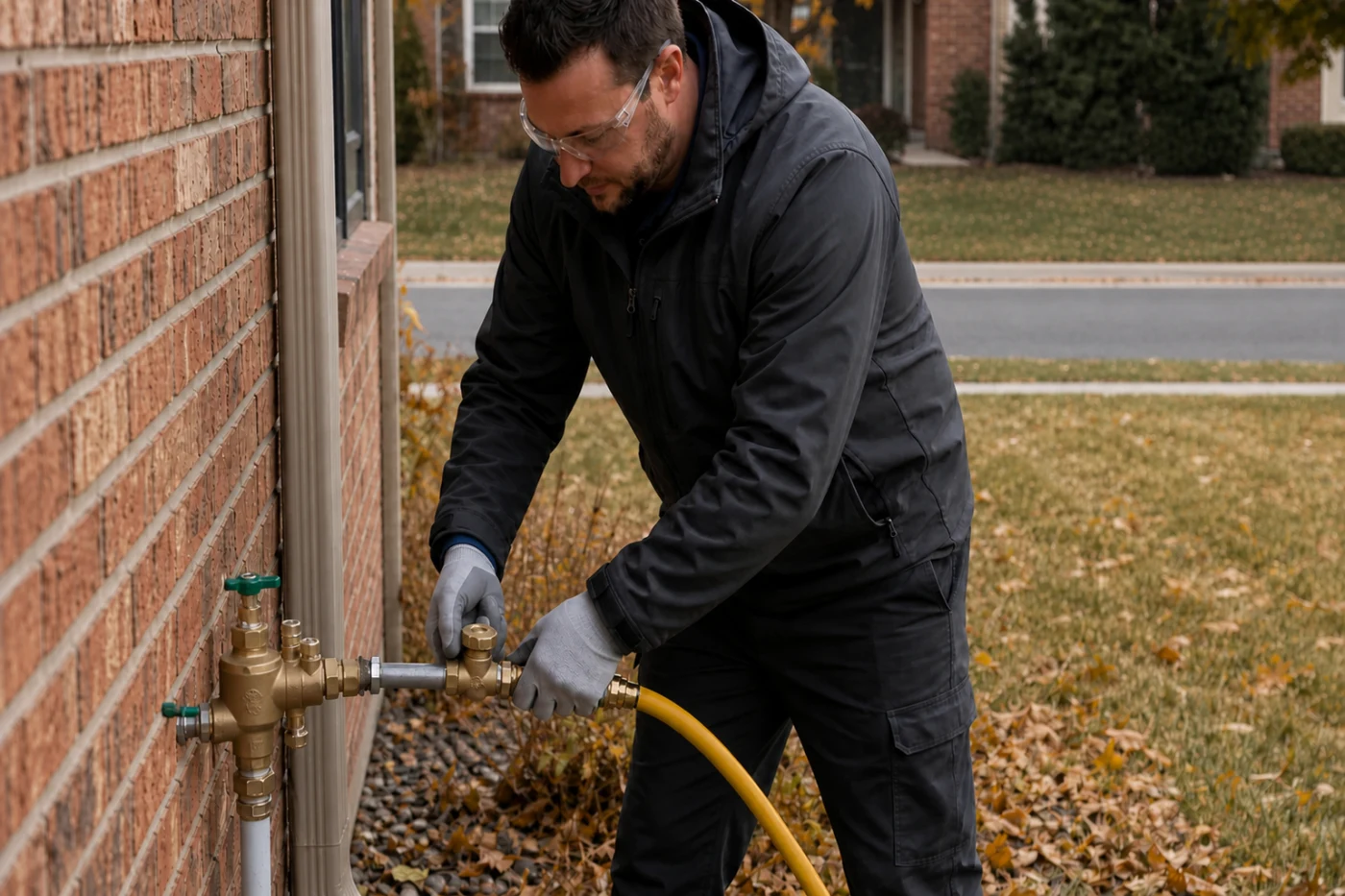
Fall blowouts and spring startups. Water left in a Colorado line over winter is how systems break.
View blowouts & winterization details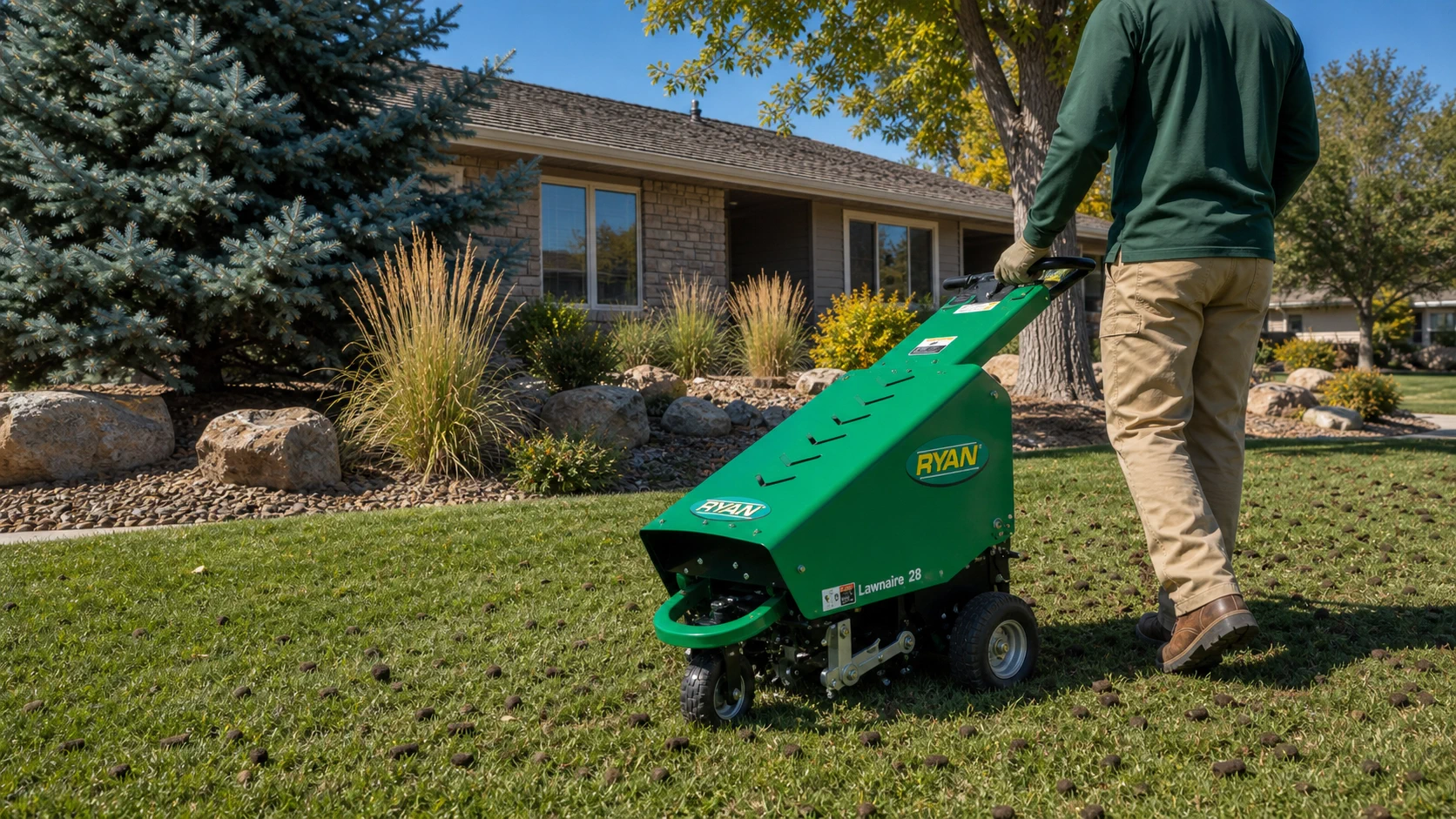
Double-pass core aeration — $85 up to 4,500 sq ft (+$15 per additional 1,000 sq ft).
View double-pass aeration details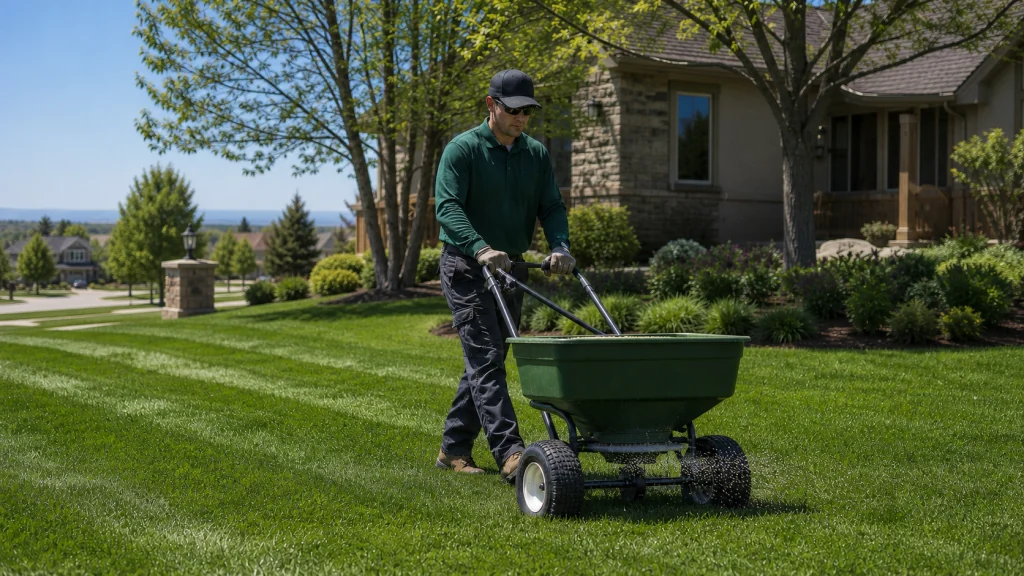
One-time slow-release fertilizer with pre-emergent — $170 up to 4,500 sq ft (+$30 per additional 1,000 sq ft).
View fertilizing & weed control details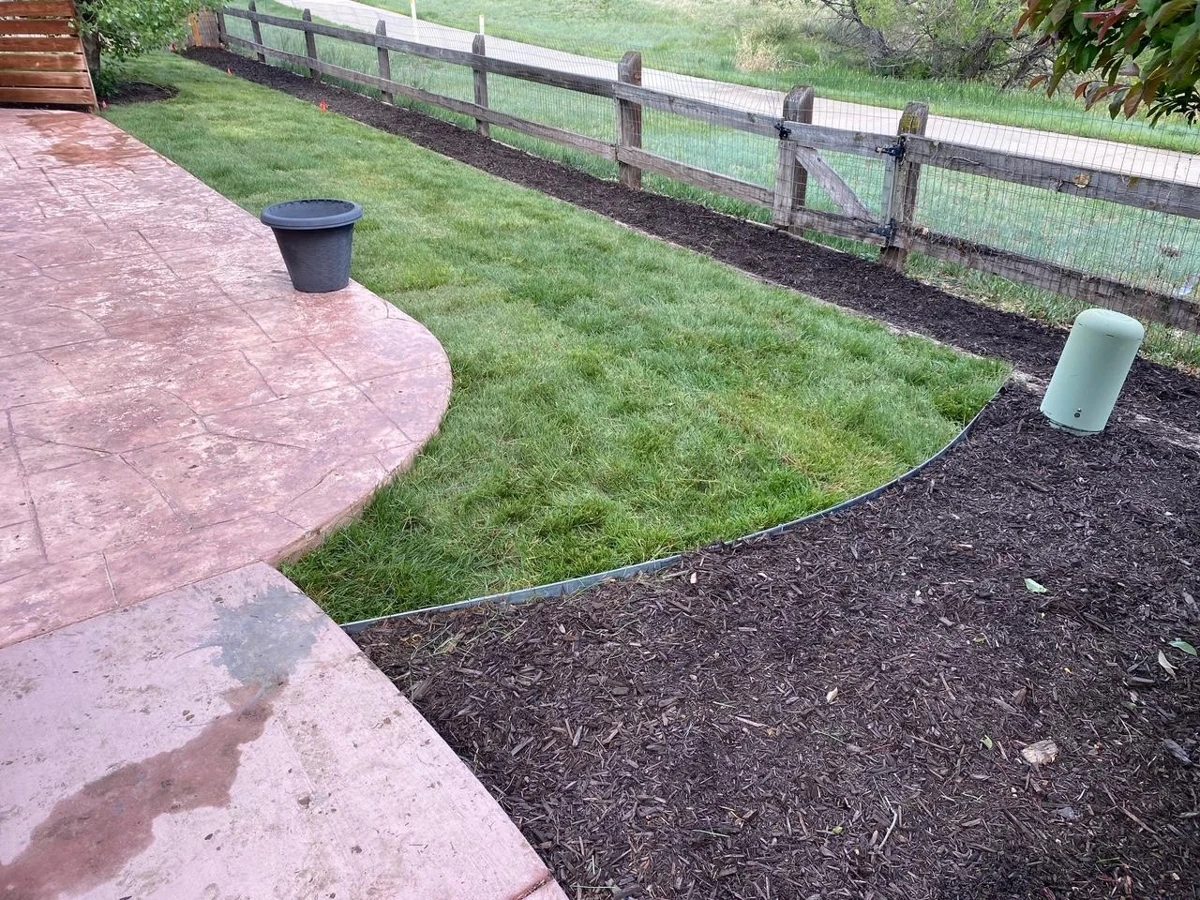
Planting, rock or mulch, water features, retaining walls, sod, seasonal maintenance, custom flower pots, and more.
View landscaping services detailsProperty-Specific Irrigation
Whether you need a completely new irrigation system, an additional sprinkler zone, better coverage, drip irrigation, or it’s finally time to replace an aging system, Outdoor Legacy can evaluate your property and recommend the right approach.
35+ years of irrigation experience. Property-specific system design. Water-conscious irrigation. No one-size-fits-all layouts.
The grass is greener on this side.